
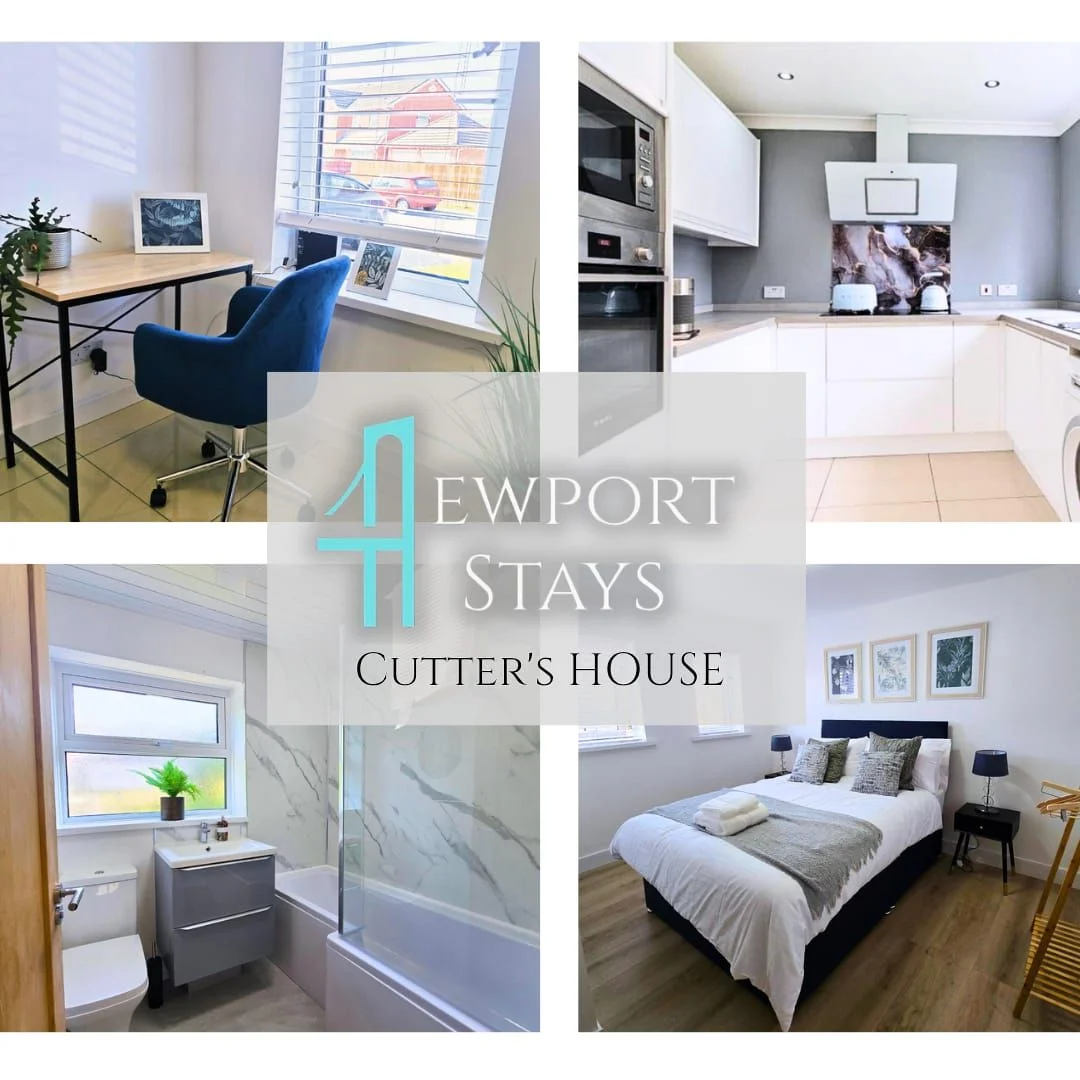
When evaluating accommodation expenses for business travel, project teams, and corporate contractors, travel managers must weigh the true costs of online travel agencies (OTAs) against direct booking channels. Selecting the optimal booking method directly impacts the overall budget, flexibility, and productivity of professional travellers in key commercial hubs like Bristol, Newport, and Cardiff.
This guide provides a comprehensive 2026 cost comparison between Booking.com and direct booking options for corporate stays, outlining financial implications, hidden fees, and strategic recommendations for organizations seeking long-term efficiency.
1. Understand How OTA Commissions Affect Nightly Rates
Take note of how third-party platforms structure their pricing models and commission fees. Online travel agencies such as Booking.com charge property operators commissions typically ranging from 15% to 18% per completed reservation, and frequently higher for enhanced promotional placement or visibility packages.
- Evaluate how these intermediary margins influence the public rates displayed on aggregation platforms.
- Recognize that property operators absorbing high commission fees must balance operational costs, which can limit their capacity to offer custom amenities or volume discounts on retail channels.
- Compare these figures with direct bookings through specialist operators like Newport Stays, where minimized intermediary costs allow for more competitive pricing and enhanced guest perks.

2. Compare Public Rates Versus Closed B2B Channels
Analyze the distinction between public retail rates and closed-user corporate channels. While public rates on Booking.com may appear comparable to direct websites under strict rate-parity agreements, business travelers often miss out on non-public pricing tiers designed specifically for corporate accounts.
- Review corporate accounts and direct supplier relationships to uncover negotiated discounts that typically sit 10% to 25% below standard retail rates.
- Prioritize direct booking engines when organizing recurring corporate travel to Bristol or Newport, as direct channels frequently unlock volume-based savings unavailable on generic OTAs.
- Investigate specialized corporate platforms via Newport Stays properties to secure tailored rates designed specifically for business project teams and contractors.
3. Account for Hidden Fees and Total Trip Costs
Examine the entire payment structure before finalizing reservations. Although Booking.com does not typically charge the traveler a separate booking fee, unexpected expenses and taxes can emerge during the final steps of checkout.
- Verify whether local taxes, cleaning fees, or resort charges are fully disclosed upfront or added later in the booking funnel.
- Calculate the total cost per stay by factoring in essential business travel requirements, such as high-speed internet, secure parking, and laundry facilities, which are often bundled into direct corporate accommodations.
- Take note of how direct arrangements streamline corporate invoicing and VAT accounting for finance departments, significantly reducing administrative overhead.

4. Evaluate Flexibility, Cancellation Policies, and Support
Assess how booking channels manage modifications, cancellations, and customer service inquiries when project timelines shift unexpectedly.
- Review the cancellation terms attached to your reservation; prepaid OTA rates frequently enforce strict non-refundable clauses that penalize unexpected project delays.
- Prioritize direct bookings for corporate travel to gain greater flexibility, easier rescheduling, and direct communication lines with property managers who understand professional requirements.
- Utilize local expertise by visiting the Newport Stays locations page to coordinate customized stays that accommodate shifting contractor schedules without penalty fees.
5. Assess Long-Term Value and Loyalty Benefits
Consider the cumulative financial and operational value generated over multiple trips throughout the calendar year.
- Evaluate whether loyalty programs, member discounts, or direct corporate perks provide tangible returns for frequent business travelers and project coordinators.
- Recognize that direct bookings often include complimentary extras: such as late check-outs, weekly housekeeping, and dedicated workspace upgrades: that enhance traveller comfort and productivity.
- Explore partnership opportunities by checking out Newport Stays about us to understand how dedicated corporate housing partners deliver long-term consistency and value.

6. Implement a Strategic Booking Policy for Your Organization
Establish clear guidelines for your travel coordinators to maximize budget efficiency across all corporate trips and project deployments.
- Set up a standardized approval workflow that directs repeat project bookings through direct corporate channels to capture negotiated net rates.
- Designate OTAs like Booking.com as secondary discovery tools for unfamiliar locations where direct inventory is initially limited.
- Reach out directly via the Newport Stays contact page to discuss bespoke corporate agreements for your team.

In summary, while Booking.com remains a useful tool for initial accommodation discovery and occasional unmanaged trips, direct booking channels consistently deliver superior cost efficiency, greater flexibility, and tailored support for corporate stays. By prioritizing direct relationships with trusted regional operators, organizations can significantly reduce accommodation expenses while ensuring professional teams enjoy comfortable, productive environments. Consider reviewing your current travel policy today and transition to direct booking partnerships to secure optimal value for your business.


